


por 

PROYECTO DE INVERSIÓN
Fumigación química de granos en instalaciones de almacenamiento vertical de granos sin mover el grano utilizando el dispositivo robótico automatizado
SGFOne – fumigador de cereales autoinmersivo!
La presentación de inversión del proyecto también se puede descargar en formato PDF desde el pie de página.
Reservados todos los derechos.
Las instalaciones de almacenamiento de granos pueden ser horizontales. (almacenes de una sola planta) o vertical (instalaciones de almacenamiento de granos tipo silo de hormigón armado o metal).
Almacenamiento vertical de granos (tipo de silo) Es el más avanzado tecnológicamente y tiene la mayor productividad.. Instalaciones verticales de almacenamiento de granos. (silos de granos) son los más comunes en el mundo. Las alturas de almacenamiento de granos generalmente varían desde 6 to 30 metros.
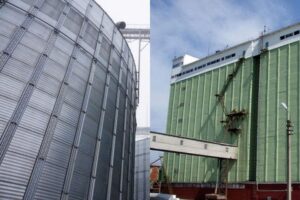
Silos de cereales (Almacenamiento vertical de granos) Las instalaciones son sistemas de almacenamiento de granos que representan infraestructura que permite el almacenamiento de volúmenes significativos de granos y otros productos agrícolas a granel.. El objetivo principal del almacenamiento vertical de granos es proteger y preservar el grano de condiciones ambientales adversas., incluyendo plagas.
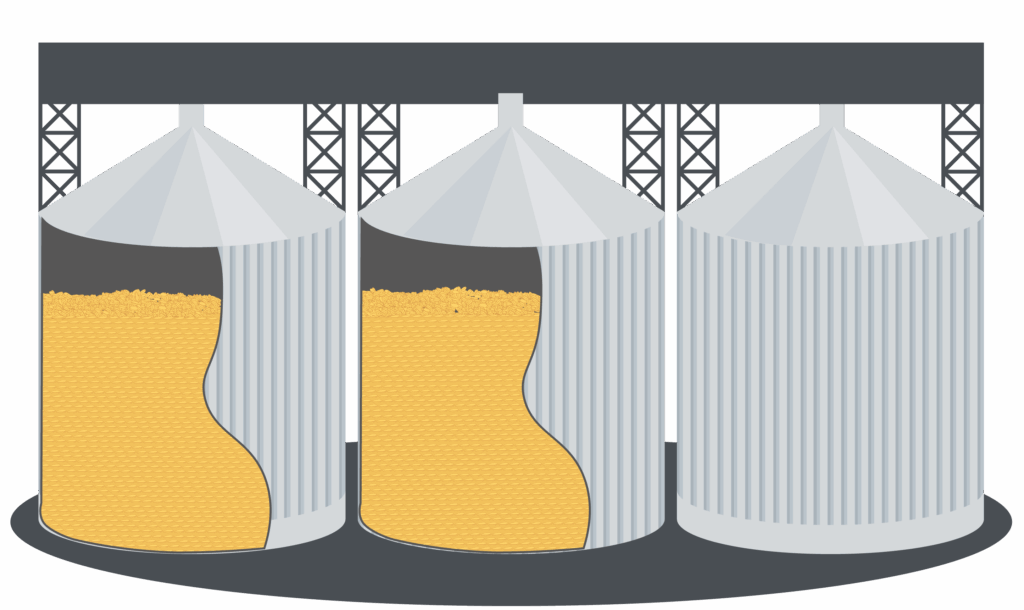
La producción de cereales crece constantemente, al igual que la producción y el consumo mundial de alimentos. El almacenamiento de cereales alimentarios es una parte integral del sistema agrícola., y la conservación y almacenamiento de cereales debería garantizar la seguridad alimentaria de la humanidad. Se espera que la tasa de crecimiento de la construcción de nuevas instalaciones verticales de almacenamiento de granos aumente en más de 5% por año. Los silos de almacenamiento de cereales requieren menos espacio que los almacenes horizontales, que se espera que contribuya al crecimiento de la capacidad de almacenamiento vertical de granos en los próximos años. Se espera que América del Norte y Asia Pacífico tengan la mayor participación del mercado mundial de contenedores verticales de granos y sistemas de almacenamiento en 2033. Prioridad para los tipos de almacenamiento de cultivos agrícolas en el mundo en instalaciones verticales de almacenamiento de granos.: arroz, trigo, maíz, soja, girasol, otros tipos de cultivos.
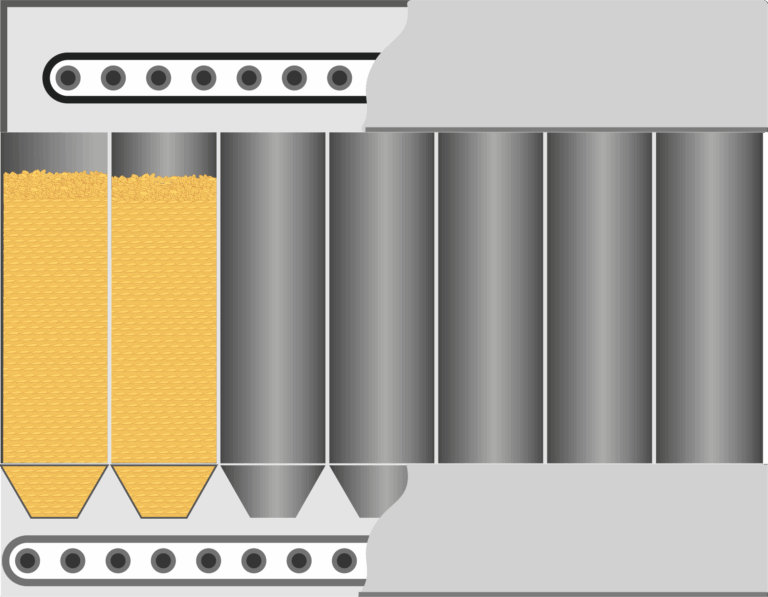
La fumigación (el control de las plagas de los cereales) es una parte integral del almacenamiento de cereales.. Los volúmenes de fumigación aumentarán a medida que aumenten los volúmenes de almacenamiento de granos en todo el mundo.
La fumigación química de los cereales durante el almacenamiento y el transporte sigue siendo el método más común y accesible para proteger los productos de cereales en la industria mundial de cereales..
Los principales objetivos de SGFOne son reducir los riesgos ambientales en la fumigación, Reducir los costos de la fumigación química y mejorar la seguridad de la fumigación en las instalaciones de almacenamiento de granos., así como reducir las restricciones durante la fumigación mediante el uso de robótica y automatización..
La fumigación de los cultivos de cereales se realiza después de la cosecha durante el almacenamiento en las instalaciones de almacenamiento de cereales..
Un silo de hormigón armado para almacenamiento de cereales suele combinar varios silos. (búnkeres) para almacenamiento vertical de grano y cuenta con cuartos técnicos superiores e inferiores (galerías de ascensor superior e inferior). Las instalaciones de almacenamiento de granos verticales de metal son de un solo contenedor de metal. (tanques) o combinados en un grupo y conectados entre sí por un sistema común de transporte de granos.
Uso de equipos elevadores de granos eléctricos: cintas transportadoras, cargadores de barrena, cargadores neumáticos, El grano se carga en el almacén de granos y se traslada para enfriarlo en invierno y para fumigarlo..
La fumigación de granos se lleva a cabo en las instalaciones de almacenamiento de granos al menos una vez y con mayor frecuencia durante 6 meses de almacenamiento.
gas fosfina (PH3) se utiliza para la fumigación química de granos: un gas altamente tóxico que penetra el tracto respiratorio de las plagas, incluyendo lugares de difícil acceso dentro de la masa de grano, La fosfina bloquea la respiración celular., evitando la absorción de oxígeno y los procesos normales de oxidación.. También paraliza el sistema nervioso., lo que lleva a la pérdida de la capacidad de moverse y comer. Como resultado, las funciones vitales del cuerpo cesan, y las plagas mueren.
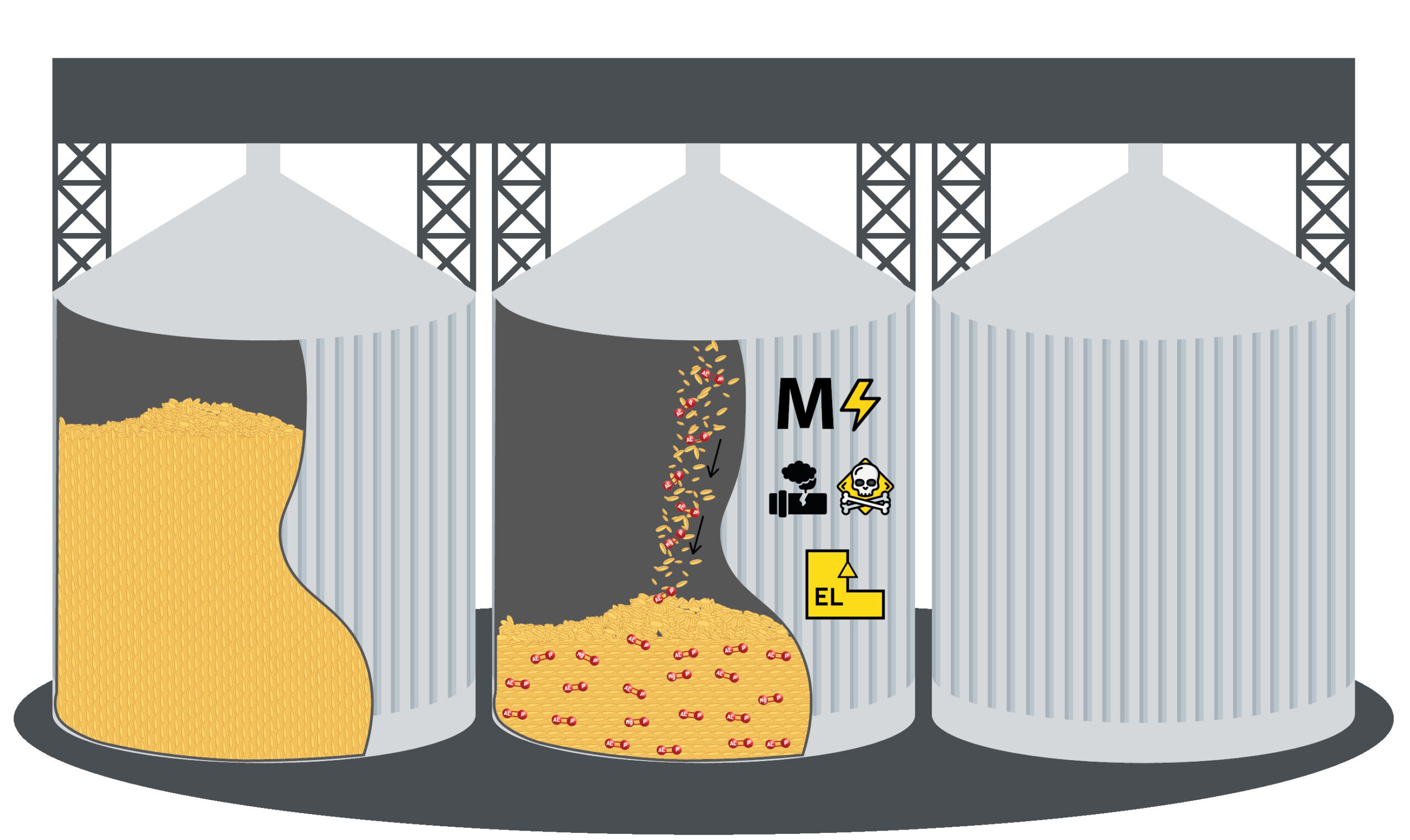
Aunque el gas fosfina es pesado, Por lo general, por su propio peso, no se hunde más profundamente que 1-2 metros en el grano, y fumigar todo el volumen de grano en el elevador de granos, el grano se mueve, bajando su nivel en el silo de almacenamiento para 2 metros y rebombeo del grano, subiendo el nivel, añadiendo fosfuro sólido (luego cambiando a fosfina gaseosa) capa por capa en la capacidad del contenedor de almacenamiento de granos.
Se utilizan maquinaria y equipos que consumen mucha energía para transportar el grano al almacén de grano.. Debido a la difusión de gases, hasta 20% de la fosfina se propaga involuntariamente en las salas técnicas de los graneros y más allá. Esto crea restricciones a la presencia de personal en el almacén de granos sin equipo de protección durante un largo período. (el periodo de fumigación, exposición, y descontaminación (Ventilación forzada de estos locales.) y limita la implementación de otros trabajos tecnológicos en la instalación..
La fumigación se realiza con fumigantes sólidos. (en forma de tabletas esféricas, platos, tabletas planas, gránulos) pesando desde 3 gramos, Fosfuro de aluminio o fosfuro de magnesio, suministrado por el fabricante en latas de aluminio selladas con tapa hermética.
El fosfuro se introduce en las capas de grano en forma de tabletas sólidas. (platos, gránulos), dónde, bajo la influencia de la humedad del entorno circundante (en los granos y en el aire entre los granos), reacciona con el aire húmedo para formar fosfina gaseosa.. Una tableta de fosfuro de aluminio de 3 gramos libera aproximadamente 1 gramo de fosfina gaseosa.
Luego, la fosfina se propaga a través del espacio intergranular mediante difusión de gas., normalmente se hunde a poca profundidad. Por eso es importante distribuir uniformemente el fumigante sólido fosfuro., capa por capa, a lo largo del grano, utilizando un método capa por capa para introducir fumigantes en granos en una instalación de almacenamiento vertical de granos.
Por ejemplo, en horizontal (piso) almacenes de granos, donde la altura del almacenamiento de granos no exceda 3-5 metros, la introducción de fumigantes de fosfuro sólido se realiza manualmente mediante sonda – utilizando sondas de fumigación especiales (hasta 2 m de largo), el fumigante se inserta y descarga en el espesor del grano a una profundidad igual a la longitud de la sonda.
En condiciones de gran altura. (profundidad) del almacenamiento de granos en instalaciones verticales de almacenamiento de granos (silos) hasta 30 metro, este método (el método de la sonda) de fumigación de granos es imposible. en vertical (silo) instalaciones de almacenamiento de granos, El fosfuro se introduce en el grano capa por capa., moviéndolo de un contenedor a otro, con la ayuda de transportadores de granos.
¿Cuáles son las desventajas y riesgos de fumigar granos en un silo elevador de granos utilizando métodos de fumigación tradicionales??
DESCRIPCIÓN
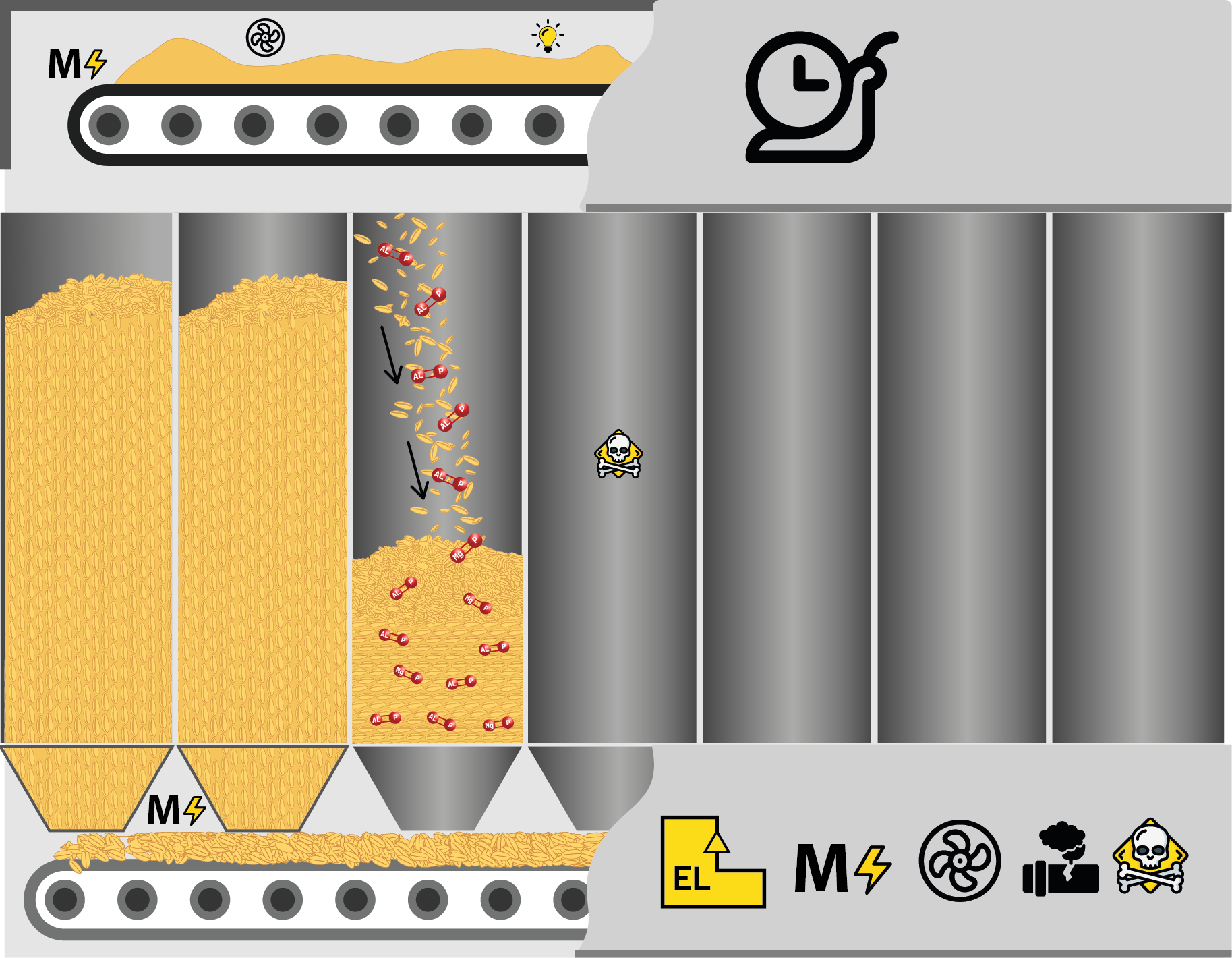
1. El movimiento total o parcial del grano para fumigación se logra mediante mecanismos y equipos elevadores..
El consumo de energía de los equipos elevadores de granos y los costos laborales se consideran parte del proceso tecnológico..
CLASIFICACIÓN, CONCLUSIÓN
Desventajas económicas:
1.1. Costos de energía asociados con la operación de equipos., mecanismos, e iluminacion.
1.2. Costos laborales asociados con el mantenimiento del personal para apoyar el proceso..
2. La fumigación prolongada de cereales en silos está asociada al uso de otros sistemas y mecanismos elevadores., Tiempo dedicado a mover o bajar el grano y recargarlo en el silo., durante el cual los fosfuros se cargan simultáneamente en el grano capa por capa.
Desventajas económicas:
2. La duración de la fumigación de granos mediante la adición capa por capa de fosfuros al grano en el silo está determinada por la secuencia de operaciones tecnológicas en la tecnología de fumigación tradicional y es proporcional a la velocidad del movimiento del grano. (carga de grano en el contenedor).
3. Tiempo de inactividad de todo el edificio de silos del almacén de cereales, incluso aquellos tanques en los que no se realiza la fumigación de granos.
Restricciones al funcionamiento de toda la instalación de almacenamiento de cereales..
Desventajas económicas:
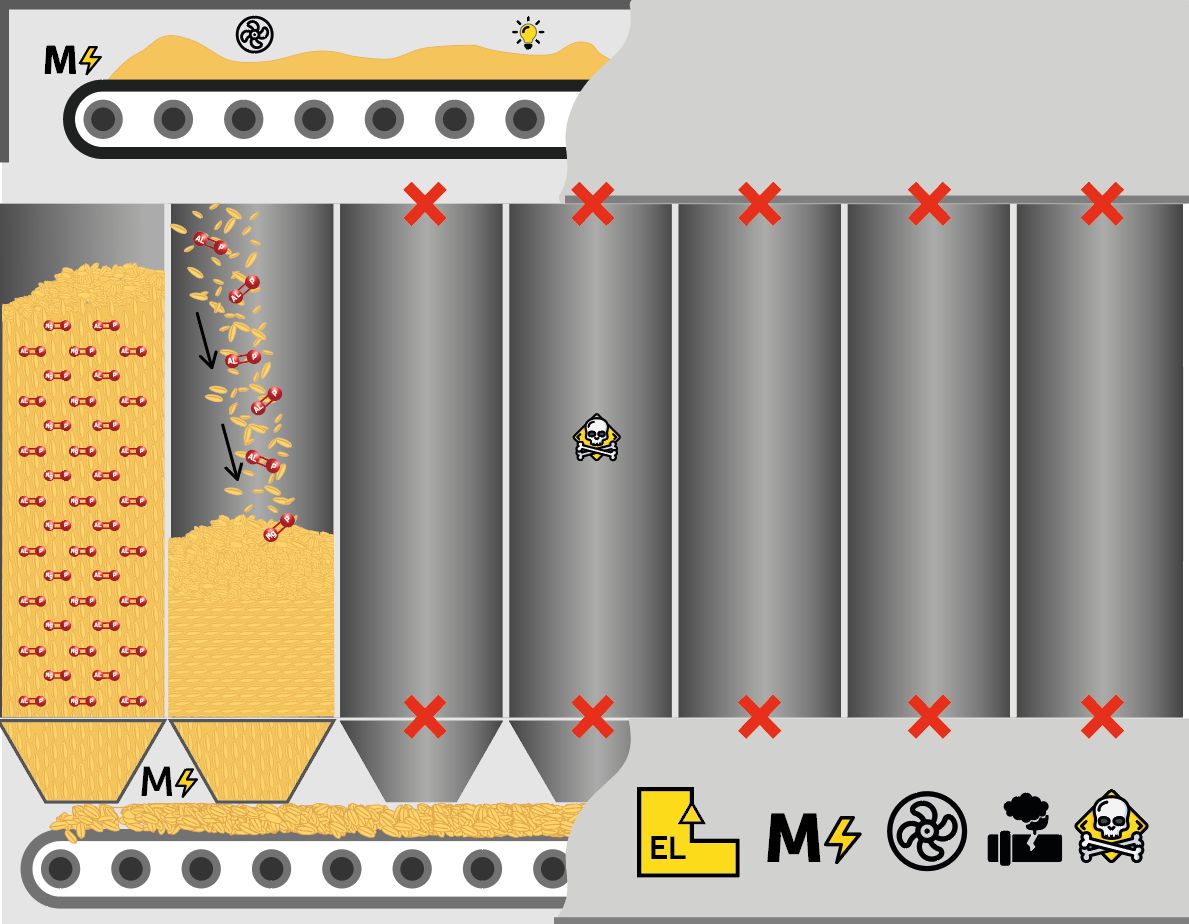
3. Las instalaciones verticales de almacenamiento de granos de hormigón armado normalmente constan de 50 o más tanques verticales.
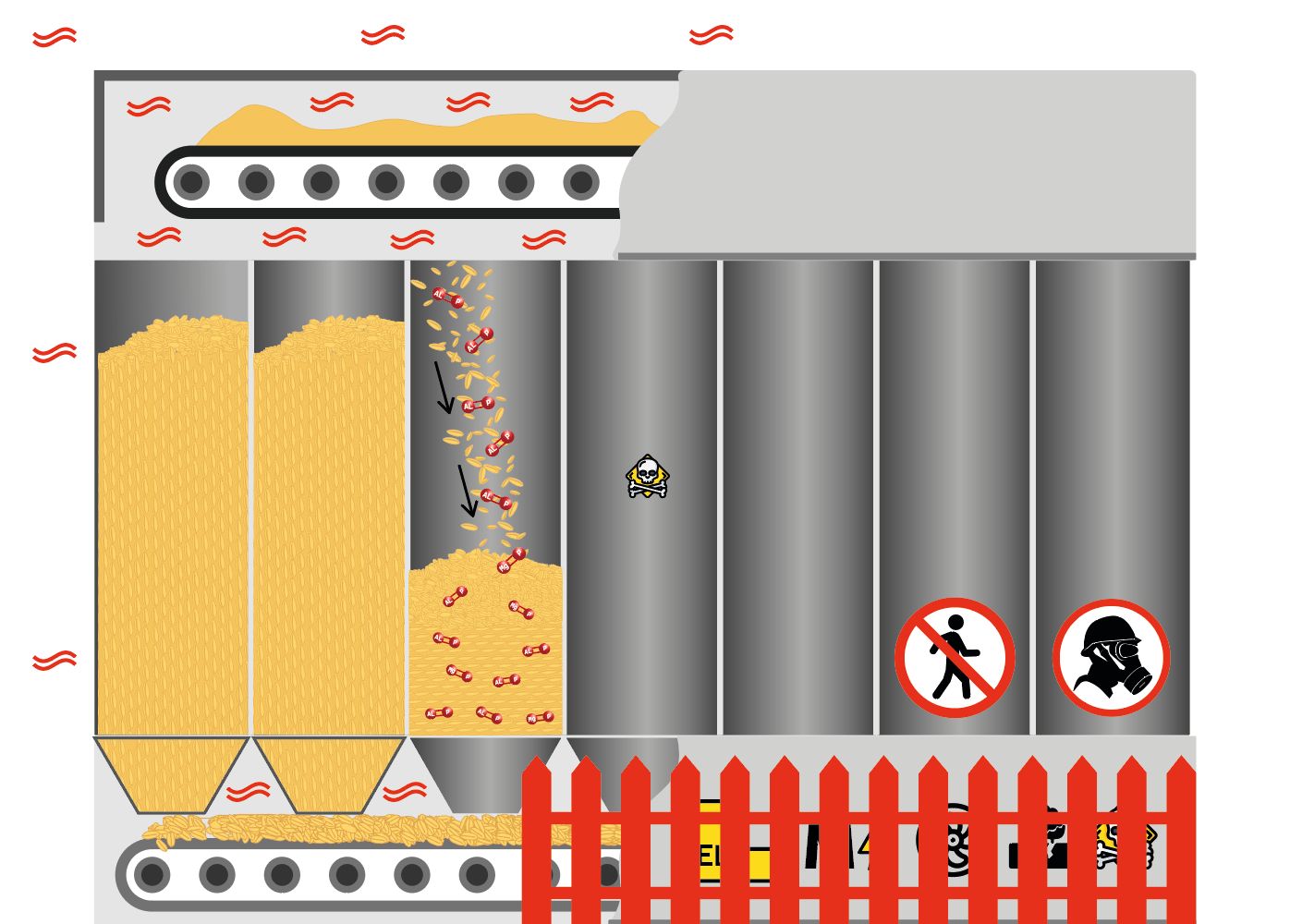
Al fumigar granos en tanques individuales., Todo el edificio de almacenamiento de granos se utiliza durante el bombeo de granos para bajar el nivel de granos en estos tanques individuales., y los gases fosfina se distribuyen por toda la instalación de almacenamiento vertical de granos por difusión. Thus, realizar otras operaciones tecnológicas, incluso con grano sin fumigar, se vuelve imposible. Fumigación de tanques individuales (papelera) establece cuarentena para todo el edificio de almacenamiento de granos.
Selectivo, Es imposible fumigar de forma segura los tanques de granos individuales utilizando métodos tradicionales de fumigación química..
4. Debido al movimiento continuo de cereales y a la carga abierta de fosfinas en los silos (a través de un transportador o trampillas), Hay una propagación involuntaria de gases fosfina. (hasta 20%) fuera de la instalación de almacenamiento de granos bajo la influencia de la difusión de gas y el viento.
Riesgos ambientales, riesgos industriales:
4. Fuga de gas fosfina a otras áreas de producción de la instalación. (galerías de ascensor superior e inferior), al área exterior de la instalación, y al entorno circundante.
5. Alto costo de los trabajos de fumigación y alta intensidad de mano de obra de los trabajos de fumigación. (servicios)
Desventajas económicas:
5. Alto costo de los servicios de fumigación para el cliente.
6. Durante el almacenamiento a corto plazo de cereales., a veces fumigación focal de una sección separada (capa) Se requiere una cantidad de grano cuando se ha observado una concentración de plagas., revelado por una temperatura elevada del grano a cierta profundidad.


Desventajas económicas:
6. La fumigación de una sola fuente de contaminación en una instalación de almacenamiento de granos es imposible debido a la imposibilidad técnica de entregar el fumigante a una instalación separada., punto designado dentro de una única capacidad de almacenamiento sin mover todo el volumen de grano en esa capacidad de almacenamiento.
7. Aflojar y airear el grano es un proceso importante para prevenir su deterioro., ayudando a reducir la humedad y la temperatura, Previene la formación de moho y el autocalentamiento del grano..
Técnicamente, Esto se logra suministrando aire al contenedor de granos usando un equipo especial o bombeando (emocionante) Grano de un silo a otro., lo que requiere costos adicionales de energía y mano de obra.
Desventajas económicas:
7. El aflojamiento y la aireación del grano es un proceso tecnológico independiente que requiere el uso de equipos elevadores adicionales que consumen mucha energía., tiempo tecnológico y costos laborales.

Nuevas Posibilidades en Fumigación Química de Granos en Almacenes Verticales de Granos con Tecnología SGFOne
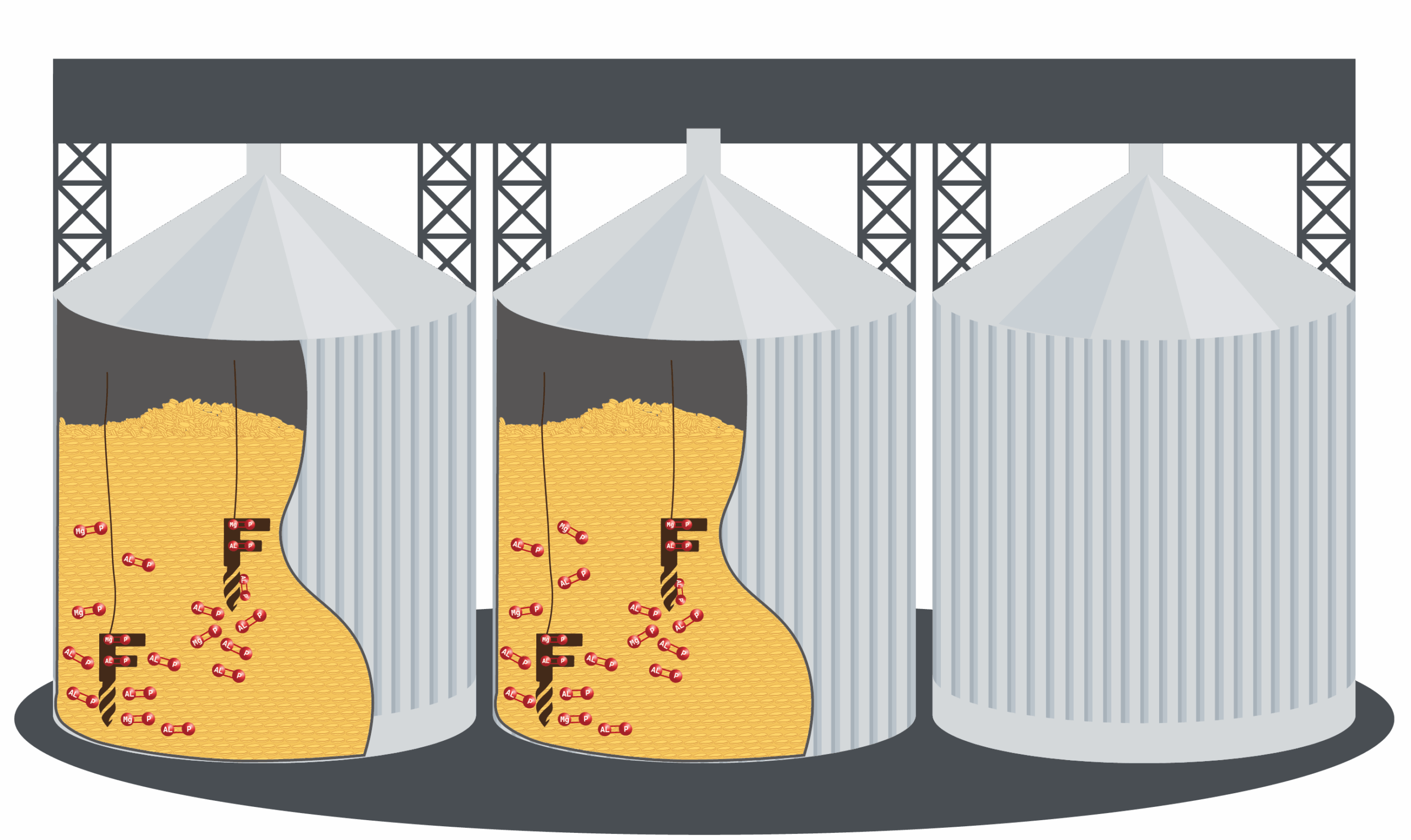
SGFOne – fumigación de granos en coordenadas especificadas, un nuevo método de fumigación implica fumigar con fosfuros un punto específico en el espesor del grano almacenado – la fuente de contaminación en la profundidad del grano almacenado en un silo vertical o capa por capa, todo el volumen de grano en un silo separado, sin mover el grano, mediante un método de entrega de fosfuros a puntos específicos en el espesor del grano a cualquier profundidad (altura) de almacenamiento de granos, sumergiendo el dispositivo SGFOne (cargador de fosfuro) profundamente en el espesor del grano.
Brevemente sobre la tecnología de fumigación de granos SGFOne®: Ya no es necesario mover el grano en silos verticales ni bajar el nivel del lecho de grano durante la fumigación., utilizar equipos elevadores que consumen mucha energía para mover el grano, aislar partes individuales de la instalación de almacenamiento de granos debido a la propagación de gases de fosfina – El primer fumigador de cereales sumergible del mundo SGFOne se sumergirá en las capas de grano a una profundidad específica (altura) en el contenedor de granos, entregar y descargar el fumigante de fosfuro en un punto específico o en todo el contenedor (capa por capa) y regresar.
Fumigación de granos en silos con SGFOne:
1) Muy económico: sin consumo de energía por parte del almacén de cereales, no es necesario mover ni bajar el nivel del grano en los silos, no es necesario operar equipos de ascensor que consumen mucha energía, no se requiere personal para mantener las instalaciones de almacenamiento de granos durante la fumigación.
2) muy rapido. No más grano en movimiento: La tasa de fumigación de granos en el silo es proporcional al movimiento vertical del fumigador de granos autoinmergible SGFOne dentro del grano.. Y en promedio de 200 toneladas de grano/hora to 900 toneladas de grano/hora.
Ahorro en tiempo de producción y horas de mano de obra dedicadas a la fumigación tanto como 10 veces.
La velocidad promedio de movimiento vertical del SGFOne entre capas de grano de trigo en un silo es 1 metros por minuto.
Por ejemplo, El SGFOne puede atravesar un silo de 30 metros de altura en ambas direcciones. (un viaje de 60 metros) y descargar fosfuros capa por capa en puntos específicos en promedio en 1 hora.
Thus, para un silo vertical de un elevador de granos de hormigón armado con una altura de 30 metro, la tasa de fumigación de granos es 200 toneladas por hora.
Y esto es sólo con un dispositivo SGFOne!
O uno de 20m de altura, 18Silo metálico para granos de m de diámetro con una capacidad de grano de 5,000 montones, Tres fumigadores de granos autoinmersivos SGFOne fumigarán en menos de 6 horas, con una tasa promedio de fumigación de 840 toneladas por hora.
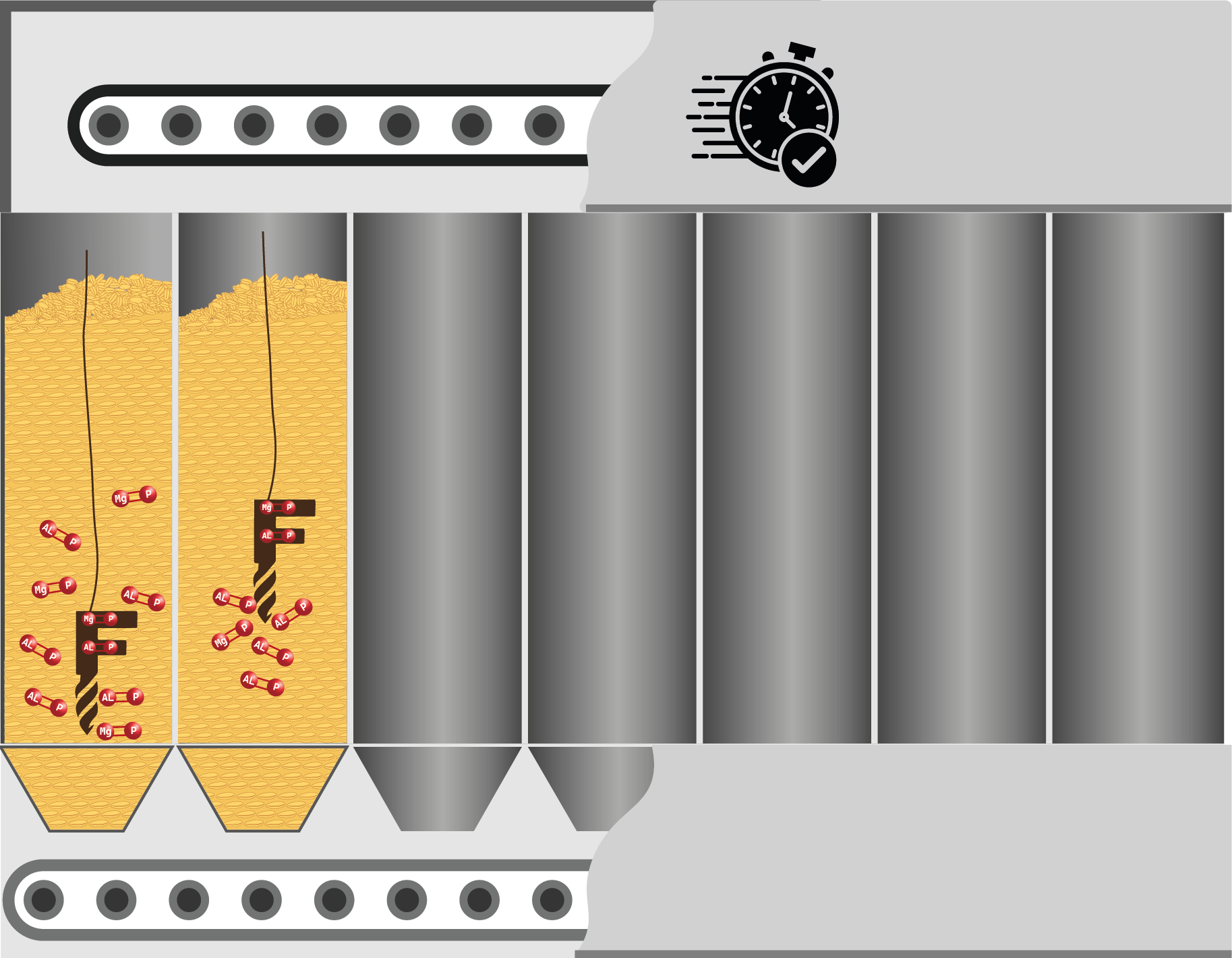
3) Ahora habrá sin tiempo de inactividad para tanques adyacentes y vecinos ubicados en el mismo edificio de silo.
Debido a que el grano permanece estacionario y los fumigantes de fosfuro se entregan cuidadosamente directamente al punto objetivo dentro del grano estacionario en un solo contenedor. (Otros tanques y sistemas de elevación no están involucrados.), la difusión no se extiende más allá del único contenedor fumigado.
4) Se minimizan los riesgos medioambientales., no hay movimiento de grano, Entrega muy precisa de fosfuros dentro del grano estacionario., sin difusión de fosfinas fuera del contenedor de granos.
5) Con SGFOne puedes fumigar selectivamente de forma electiva sólo un punto del grano, a cualquier profundidad (altura) del silo,es posible fumigar sólo la fuente de grano estacionario infestado en el contenedor de grano.
De esto precisamente se trata el Método de Fumigación de Granos a Coordenadas Dadas.


6) El fumigador de cereales autosumergible SGFOne, al pasar por el espesor del grano para fumigación de granos, espontáneamente afloja el grano en el silo en un radio de 1.5 m a lo largo de la trayectoria del movimiento vertical.
Una función adicional del SGFOne es aireación del grano en el búnker del silo. El SGFOne puede equiparse opcionalmente con un conducto de aire., que es un conjunto de tubos perforados de aleación de aluminio y magnesio conectados entre sí con acoplamientos rápidos especiales para la aireación del grano durante la inmersión del SGFOne para fumigación de granos..
Si es necesario, el fumigador autoinmergible SGFOne puede insertar un conducto de aire (que pasa a través del grano a lo largo de la trayectoria vertical del camino SGFOne) en el grano hasta una profundidad de hasta 30 metros. Conectando un compresor de aire al conducto de aire., El grano en el silo se airea forzando el ingreso de aire al conducto de aire y distribuyéndolo bajo presión en capas profundas de grano en un silo.. La aireación del grano durante la fumigación es una función adicional que requiere tiempo adicional..
Presentación Proyecto de Inversión SGFOne, archivo pdf